
Teaching the Immune System to Respond—Not Overreact
For years, immune health has been framed in extremes: boost or suppress, strong or weak. When symptoms appear, the reflex is often to push harder—add another supplement, stimulate another pathway, quiet inflammation at all costs.
But biology doesn’t work well under force.
Emerging research now shows that the immune system—particularly the innate immune system—is capable of learning, adapting, and recalibrating its responses over time. This process is known as trained immunity, and it offers a more precise, systems-based way to understand immune resilience [1,2].
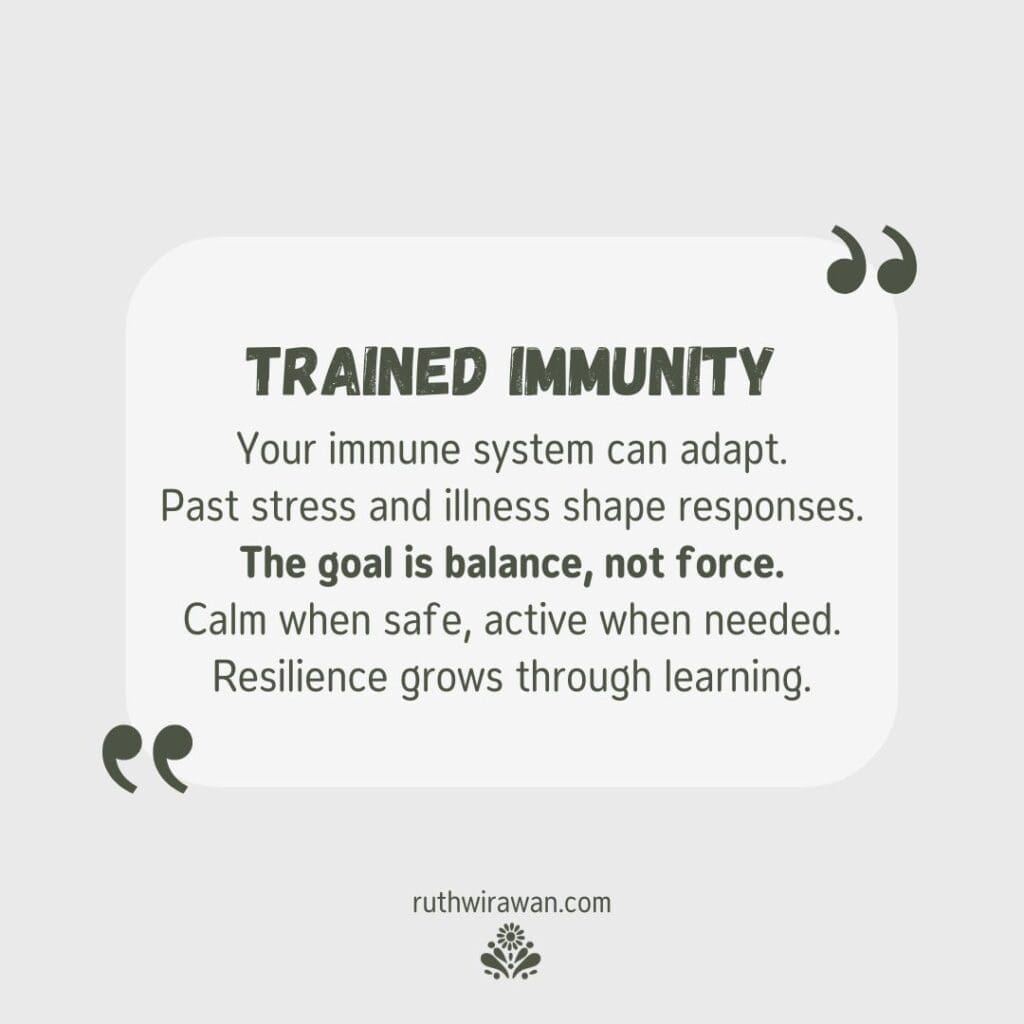
The goal is not stimulation.
The goal is modulation.
🛡️ The Innate Immune System: First-Line Defense & Surveillance
The innate immune system is the body’s first responder and ongoing sentinel. It is fast, non-specific, and always active. Beyond responding to infections and injuries, it plays a critical role in immune surveillance—the continuous monitoring of tissues for abnormal, damaged, or potentially malignant cells [1].
Its primary functions include:
- Detecting threats through pattern-recognition receptors
- Identifying stressed, mutated, or abnormal cells
- Initiating short-term inflammation to contain injury, infection, or cellular damage
- Activating clearance mechanisms such as phagocytosis and natural killer (NK) cell activity
- Signaling and shaping downstream immune responses
- Resolving inflammation once the threat has passed
Innate immunity operates continuously at barrier tissues—the gut, lungs, skin, and nasal passages—as well as within internal tissues where cellular turnover is high. Under healthy conditions, this system quietly identifies and clears abnormal cells before they accumulate or trigger larger immune responses.
When functioning well, the innate immune system responds early, proportionally, and temporarily, preventing unnecessary escalation into chronic inflammation or excessive adaptive immune activation.
When dysregulated, however, innate immunity may:
- Miss or delay recognition of abnormal cells
- Overreact to benign stimuli
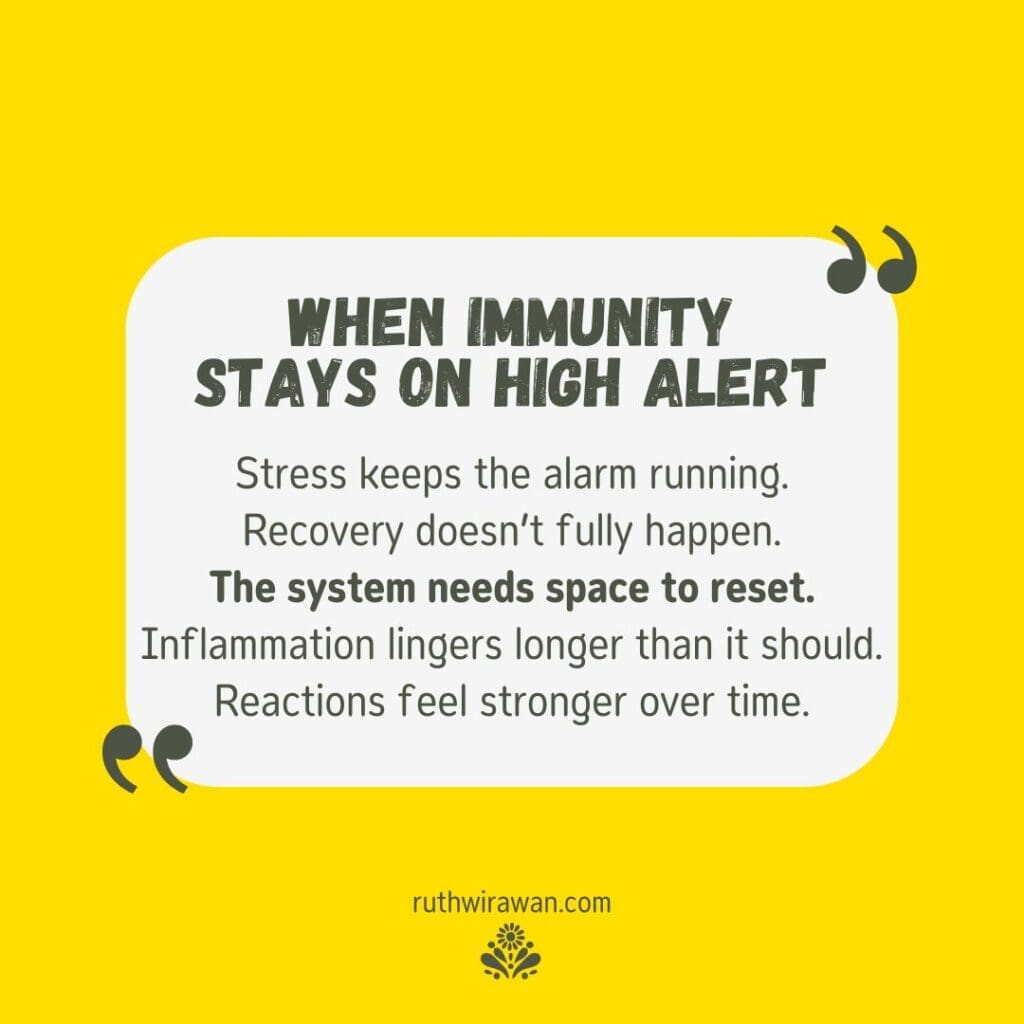
- Fail to resolve inflammation
- Remain chronically activated, increasing inflammatory burden
This breakdown in early regulation can contribute not only to allergies, autoimmunity, and chronic inflammatory states, but also to impaired immune surveillance, where the body becomes less efficient at identifying and clearing emerging cellular abnormalities.
This is where trained immunity becomes clinically meaningful—supporting the innate immune system’s ability to recognize, respond, and resolve efficiently, without tipping into chronic inflammation or immune exhaustion.
🔁 Innate vs. Adaptive Immunity: Different Roles, Different Timing
The immune system works through two interconnected arms: innate and adaptive immunity.
The innate immune system responds first. It determines whether a threat is handled quietly and efficiently—or escalated.
The adaptive immune system, which involves T cells, B cells, and antibody production, is slower and highly specific. Adaptive responses are essential for targeted, long-term protection, but they also require more energy and often involve stronger and more sustained inflammatory signaling [2].
When innate immunity functions well, many challenges are resolved early—without heavy adaptive involvement.
When innate signaling is impaired or exaggerated, the adaptive immune system is often recruited more aggressively. This can contribute to:
- Prolonged or unresolved inflammation
- Autoimmune activity
- Heightened symptom intensity
- Slower recovery after illness or stress
In this way, the innate immune system acts as a regulatory gatekeeper, shaping whether immune responses remain contained or become inflammatory and chronic [2].
😷 Immune Decline and Inflammaging: When Regulation Weakens
Immune decline is often described as having a “weaker immune system,” but in reality, it more commonly reflects a loss of precision, coordination, and resolution.
With aging—or under chronic stress, metabolic strain, toxin exposure, poor sleep, or unresolved inflammation—the immune system tends to shift in predictable ways:
- Innate immune cells become less responsive to true threats, yet more reactive to background noise
- Inflammatory signals linger longer, even when no infection is present
- Resolution pathways slow, allowing immune responses to drag on
- Immune surveillance becomes less efficient
- Adaptive immune responses compensate, often with greater inflammatory cost
This pattern—sometimes referred to as inflammaging—is not a failure of immunity, but a failure of regulation [3]. The immune system still responds, but it does so less intelligently: too much where it shouldn’t, and too little where it matters most.
This makes immune modulation, rather than stimulation, increasingly important with age.
🧬 What Is Trained Immunity?
Trained immunity refers to the ability of innate immune cells—such as macrophages, monocytes, and natural killer cells—to undergo functional adaptation after specific exposures [1,2].
Unlike adaptive immunity, this is not antigen-specific memory. Instead, trained immunity operates through:
- Epigenetic reprogramming (changes in gene expression without altering DNA)
- Metabolic shifts within immune cells
- Improved pattern recognition and signaling efficiency
In practical terms, trained immunity helps the immune system:
- Respond faster to true threats
- Reduce unnecessary inflammatory signaling
- Improve resolution after activation
- Distinguish between danger and background noise
Rather than reacting based on outdated or exaggerated patterns, the immune system learns to respond based on context [1].
⚠️ Why Immune “Boosting” Often Backfires
Many people seeking immune support are not immune-deficient—they are immune-dysregulated, particularly at the innate level. In these cases, the immune system isn’t underpowered; it’s over-signaling, slow to shut off, or overly reactive to benign inputs. What’s missing is not strength, but precision and regulation.
This dysregulation commonly shows up as:
- Histamine reactions or mast cell activation
- Allergies or chronic sinus congestion
- Autoimmune flares
- Recurrent infections with incomplete recovery
- Feeling inflamed, wired, or reactive
When the immune system is already on high alert, immune “boosting” can make things worse by amplifying background noise rather than improving signal clarity. Broad stimulatory inputs tend to activate innate immune receptors indiscriminately, increase pro-inflammatory cytokine output, and lower mast cell activation thresholds—raising the volume of immune signaling without strengthening the pathways that resolve inflammation. This pattern is increasingly observed in post-viral states, including long COVID, where immune activation persists even after the initial infection has cleared.
This noisy signaling can unnecessarily recruit the adaptive immune system, escalating inflammatory cost and prolonging symptoms such as fatigue, brain fog, reactivity, or flares with stress or exertion. Ongoing immune-nervous system feedback further reinforces vigilance and slows recovery. In these situations, the immune system doesn’t need more fuel—it needs clearer signaling, better coordination, and stronger regulatory brakes, the very functions supported by immune modulation and trained immunity [2,3].
🌱 β-Glucans: Training Signals, Not Stimulants
One of the most studied inputs capable of inducing trained immunity is β-glucan, a polysaccharide found in yeast, mushrooms, oats, and barley [1,3].
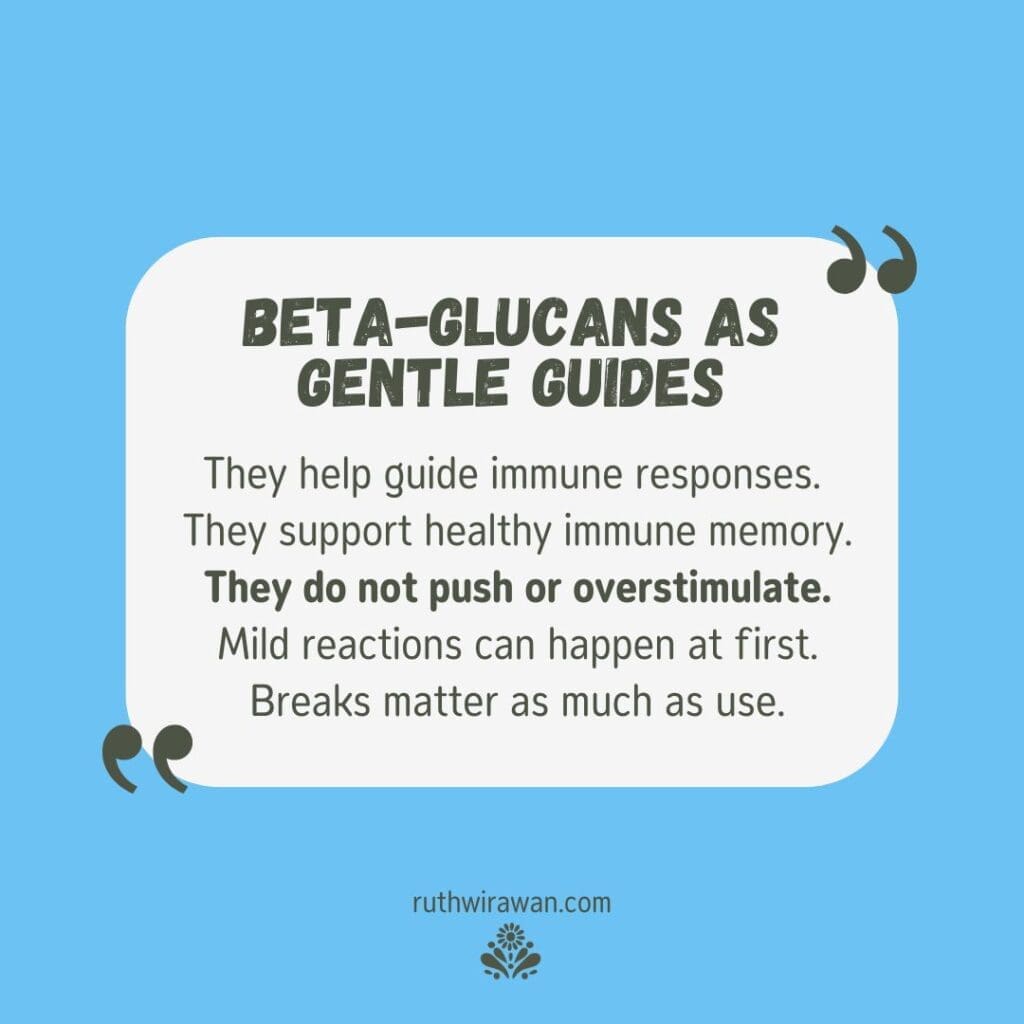
Certain β-glucans interact directly with innate immune cells, influencing gene expression and immune metabolism. Rather than forcing immune activation, they act as calibrating signals.
Appropriately used, β-glucans may:
- Improve innate immune surveillance
- Support mucosal immunity (sinuses, lungs, gut)
- Enhance pathogen clearance
- Reduce maladaptive inflammatory signaling over time.
During early phases, some individuals notice sneezing, nasal drainage, or mild congestion. From a systems perspective, this may reflect re-engagement of innate immune activity at barrier tissues, supporting clearance rather than irritation.
This is why cycling protocols, rather than continuous daily use, are often preferred—allowing immune learning without sustained overactivation.
🌐 Immune Modulation Is Always Systems-Based
Innate immune function is deeply influenced by the broader internal environment, including:
- Autonomic nervous system tone
- Sleep quality and circadian rhythm
- Blood sugar and metabolic stability
- Gut and mucosal integrity
- Perceived safety versus chronic stress (including mental and emotional stressors).
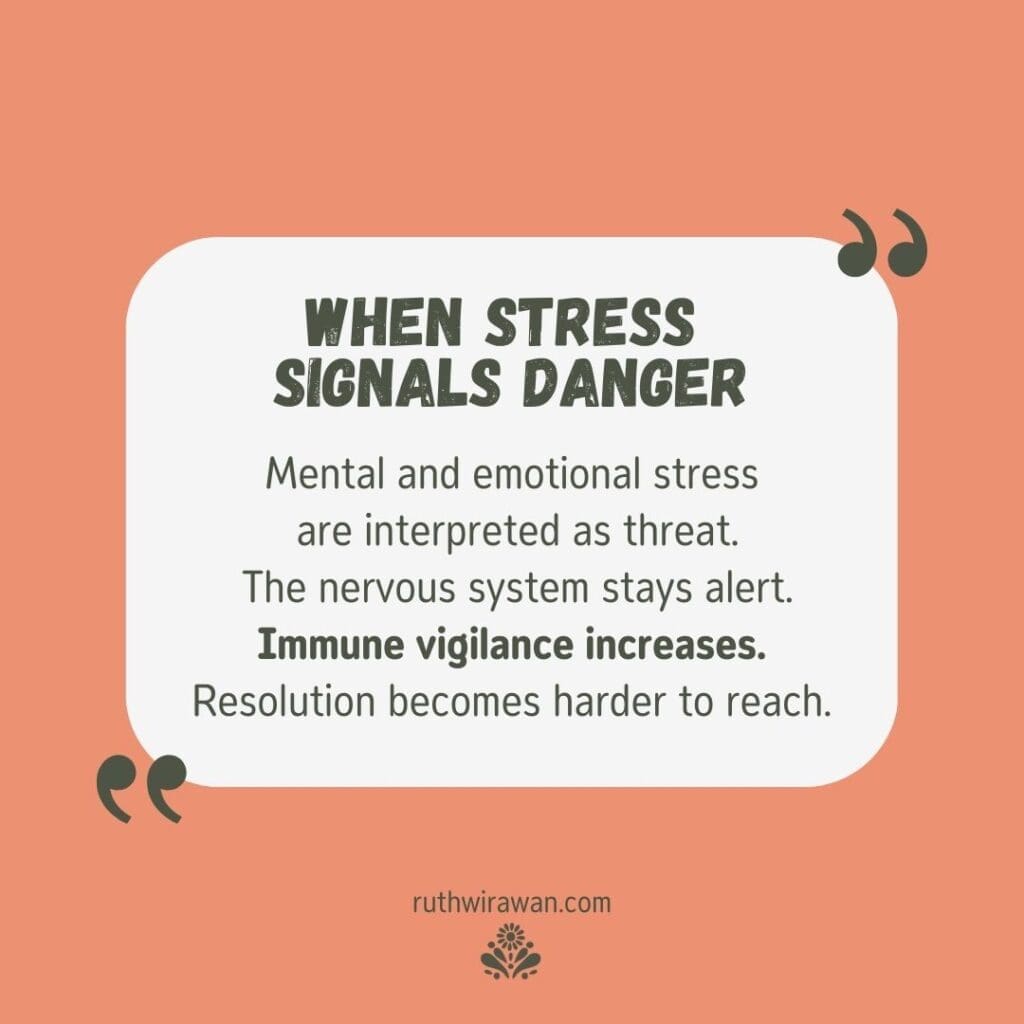
Mental and emotional stressors—such as chronic worry, threat perception (including existential uncertainty), unresolved tension, or prolonged cognitive load—are interpreted by the nervous system as physiological signals of danger. These signals can perpetuate immune vigilance and amplify inflammatory activity, even in the absence of infection or physical injury.
When the nervous system is under constant stress, immune vigilance increases. When the body feels supported and regulated, immune responses naturally soften and resolve more efficiently.
Immune modulation never occurs in isolation—it reflects whole-system regulation.
🧭 Restoring Immune Intelligence Through Daily Signals (D.R.E.S.S.)
Trained immunity reframes immune care away from force and toward precision—but immune training does not occur in isolation. The immune system is constantly learning from the daily signals it receives, not just from supplements or interventions.
This is where lifestyle becomes foundational.
Instead of asking, “How do I make my immune system stronger?”
We ask, “What signals am I giving my immune system every day?”
In my work, these signals fall into five core domains—D.R.E.S.S.—each of which directly shapes immune regulation and resilience:
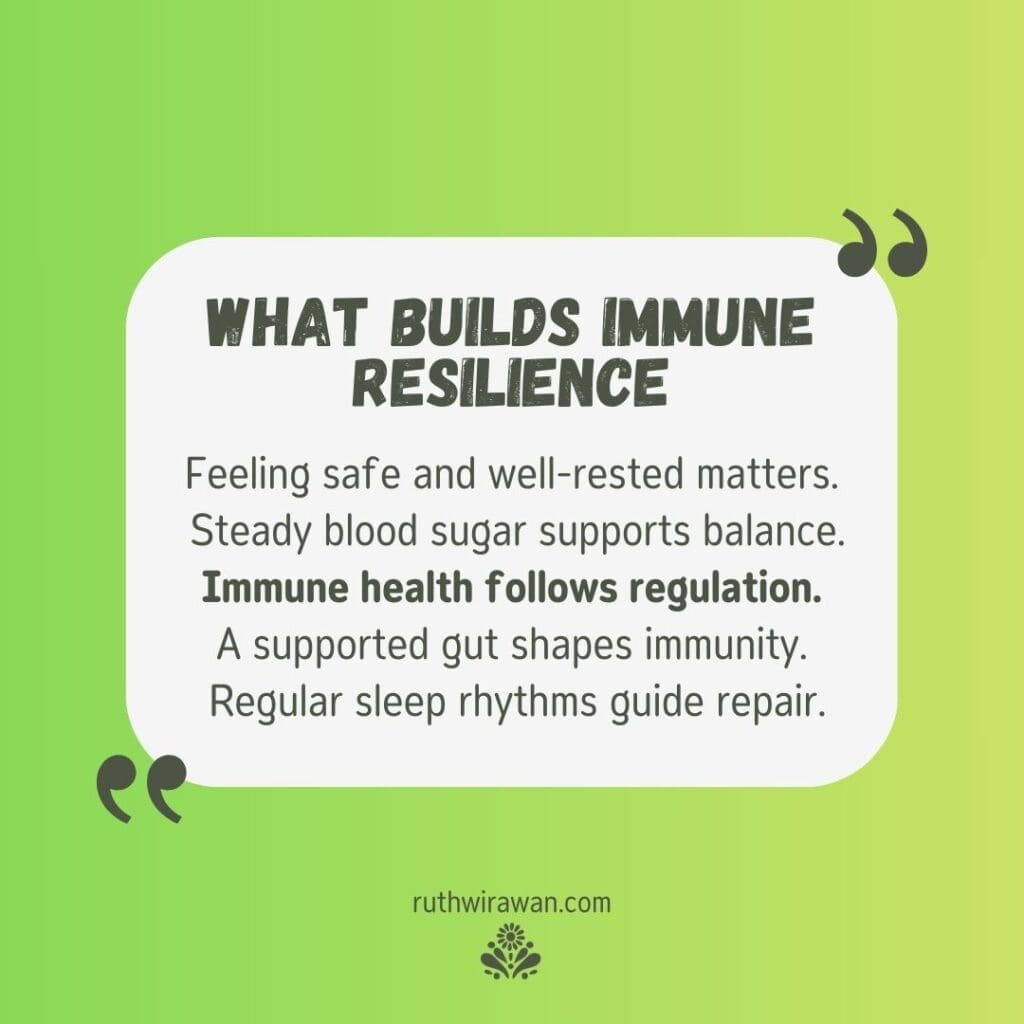
- Diet influences immune metabolism, inflammatory tone, and gut–immune communication. Stable blood sugar, adequate protein, and nutrient-dense foods provide the raw materials for immune discernment rather than reactivity.
- Rest governs immune repair, memory consolidation, and resolution. Poor sleep is one of the fastest ways to impair immune surveillance and prolong inflammation.
- Exercise acts as an immune modulator when dosed appropriately—enhancing circulation, lymphatic flow, and immune cell communication without creating excessive stress.
- Stress reduction is not optional for immune health. Chronic stress shifts immune signaling toward vigilance and inflammation, while a regulated nervous system allows immune responses to soften and resolve.
- Supplementation is most effective when layered after these foundations—used strategically to support signaling, not override physiology.
When these daily inputs are aligned, the innate immune system receives consistent feedback that the environment is safe, supported, and predictable. Under these conditions, trained immunity can take hold—responses become proportional, inflammation resolves more efficiently, and adaptive escalation becomes more selective [1,3,4].
This is not about doing more.
It’s about creating the conditions where the immune system can do what it already knows how to do well.
👉 Explore ways to work together if you’re ready to support immune health through thoughtful, whole-system modulation grounded in D.R.E.S.S. foundations.
📚 References
- Yao, M., Zhou, J., Mei, J., et al. Trained immunity in health and disease. MedComm, 2025.
- Netea, M. G., Domínguez-Andrés, J., et al. Defining trained immunity and its role in health and disease. Nature Reviews Immunology, 2020.
- Ochando, J., et al. Trained immunity—basic concepts and contributions to health and disease. Frontiers in Immunology, 2022.
- Fulop, T., Larbi, A., Pawelec, G., et al. Immunosenescence and inflammaging as two sides of the same coin. Frontiers in Immunology, 2021.

keep browsing

I help women restore balance, rebuild resilience, and feel at home in their bodies — so they can flourish, feel vibrant, and live fully in every season of life.
Meet your coach, Ruth!
Feeling wired but tired, dealing with fatigue, sleep problems, digestive issues, or hormone imbalances? You’re in the right place.
You Might Also Like...
Trained immunity is more than boosting or suppressing. Beneath immune responses, the body learns patterns, calibrates inflammation, and coordinates signaling across systems. Understanding the full picture invites a calmer, more balanced way to support immune health.

Vitamin D is more than sunshine or supplements. Behind the numbers, your body manages savings and spending accounts, cofactors like magnesium and vitamin A, and patterns that labs help reveal. Seeing the full system makes it easier to choose wisely and stay balanced.

Explore how the Gage R&R concept—practiced in engineering—offers a helpful lens for understanding variability in functional health lab testing. Lab results aren’t always clear-cut; deeper insight comes from considering timing, environment, and your body’s real-life context—not just numbers on a report.

